 GB Whatsapp
GB Whatsapp
GB Whatsapp
GB WhatsApp stores chat history and media files on the phone just like the official app, but it does not connect to Google Drive for automatic cloud backups. Manual steps are required to keep conversations, photos, videos, and group information safe when changing phones or reinstalling the app.
This guide shows the exact process to create backups and restore them later. Following each step prevents missing messages or media files. The method works on all recent Android versions.
Local backups stay on the device, so moving them to a computer or cloud storage adds extra protection against phone damage or loss.
All chat databases and media folders are saved inside the phone storage. The main folder is named GBWhatsApp and sits in the root directory or inside the Android/media folder on newer phones.
The backup file itself is called msgstore.db.crypt14 and sits inside GBWhatsApp/Databases. Media files such as photos, videos, and voice notes are stored in separate folders under GBWhatsApp/Media.
The app can create a fresh backup at any time. Open GBWhatsApp and go to Settings > Chats > Chat backup. Tap the green Backup button to start the process immediately.
Users can change the backup time or turn off automatic nightly backups from the same menu. Excluding videos makes the file smaller and faster to create.
After the backup finishes, the latest file date appears at the top of the screen.
Copy the entire GBWhatsApp folder to a computer, USB drive, or cloud service. This protects everything if the phone is reset or damaged.
Using a file manager, select the GBWhatsApp folder, choose Share or Copy, and send it to the desired location. Many people download the latest version from sites like gb whatsapp apk and keep the backup folder in the same place.
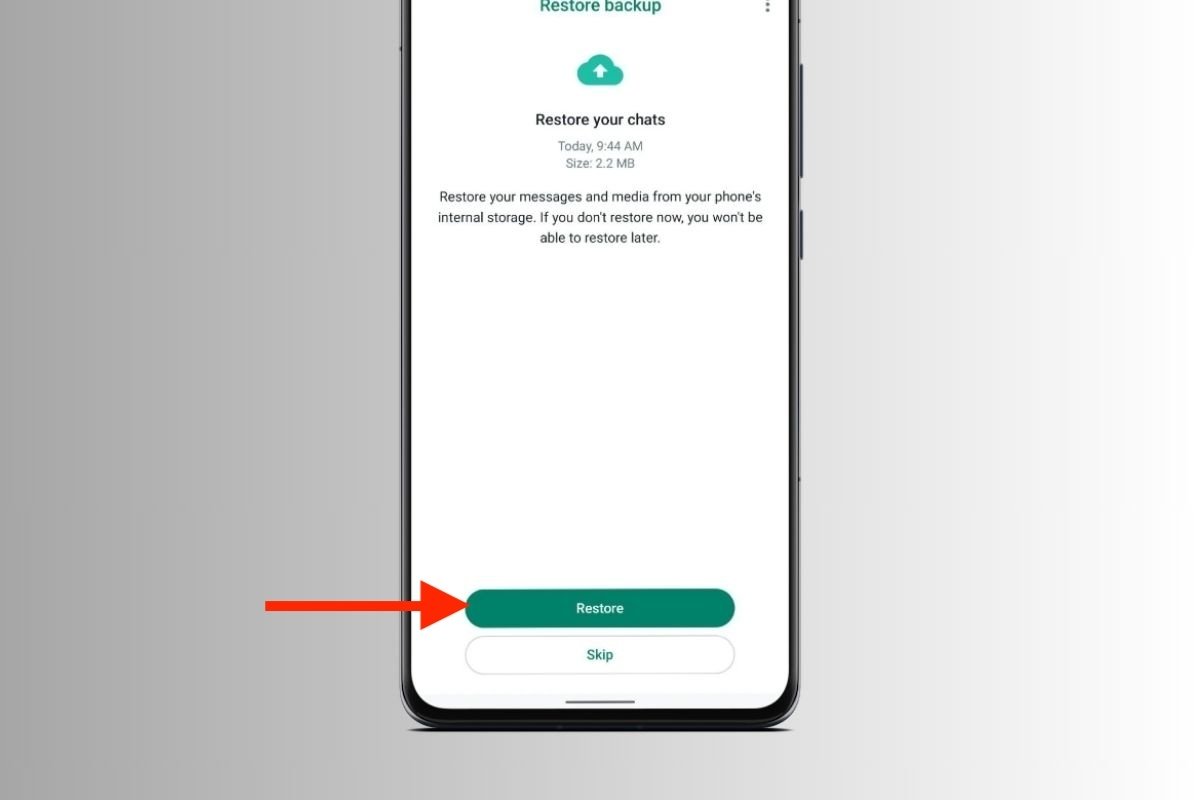
When reinstalling or after a factory reset, place the GBWhatsApp folder back in internal storage before opening the app. The app detects the database and asks to restore during first launch.
If the restore button does not appear, rename the backup file to msgstore.db.crypt14 and place it in GBWhatsApp/Databases.
Install GBWhatsApp first on the new device. Do not open it yet. Connect the new phone to a computer and copy the complete GBWhatsApp folder to internal storage in the same location as the old phone.
Open the app once the folder is in place. The restore screen appears automatically and brings back all messages, media, and group details.
Using different app versions can cause restore errors.
Sometimes the restore screen skips or shows zero messages. This happens when the Databases folder is missing or the file name is wrong. Double-check the file name and folder path.
Media files that do not appear after restore usually stay in the old Media folder location. Moving the entire GBWhatsApp folder instead of only the database solves this.
Create a new backup before every app update or phone change. The process takes only a few seconds when done weekly.
Older backup files stay in the Databases folder with date stamps. Keep at least two recent copies in separate locations for safety.
A separate safe update process explains how to move to newer versions without losing data.
Backing up GBWhatsApp requires only a few taps inside the app and copying one folder. Restoring works the same way on any Android phone by placing the folder back before opening the app.
Following these steps keeps every message, photo, video, and group membership exactly as they were. Regular backups remove worry about data loss during updates or device changes.
The method stays simple and reliable as long as the complete GBWhatsApp folder moves together with the database file.